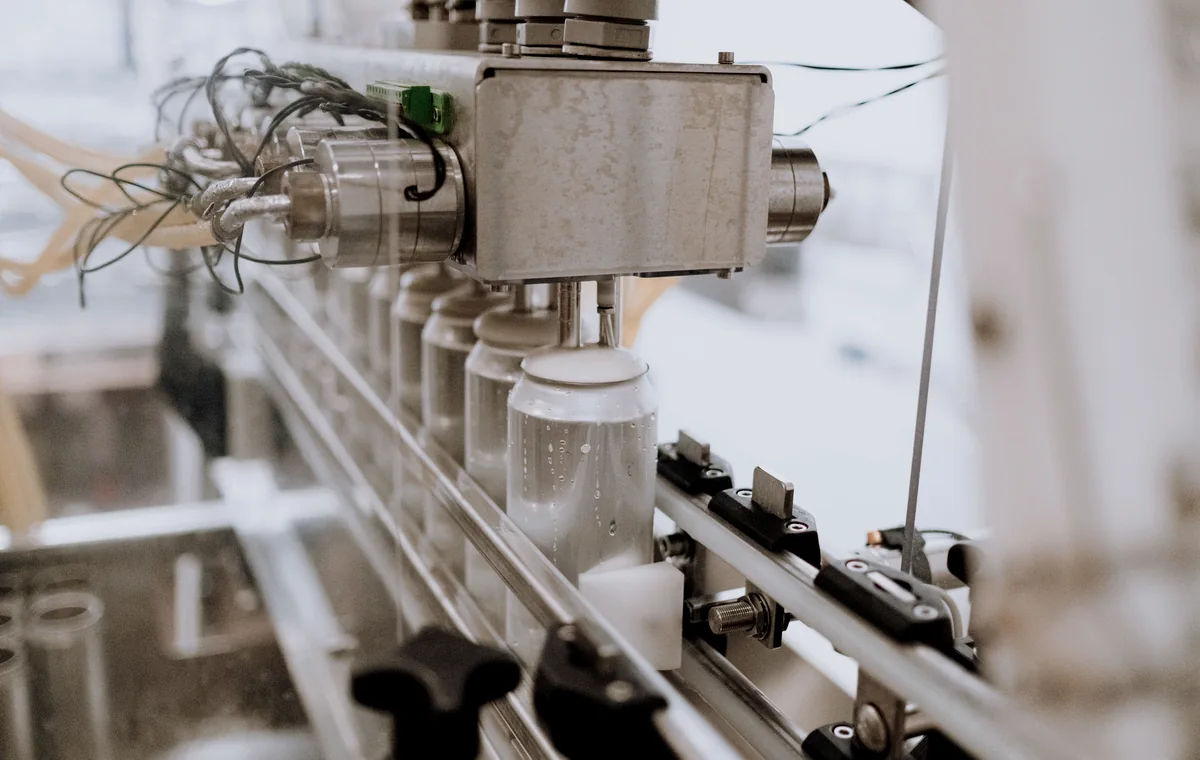
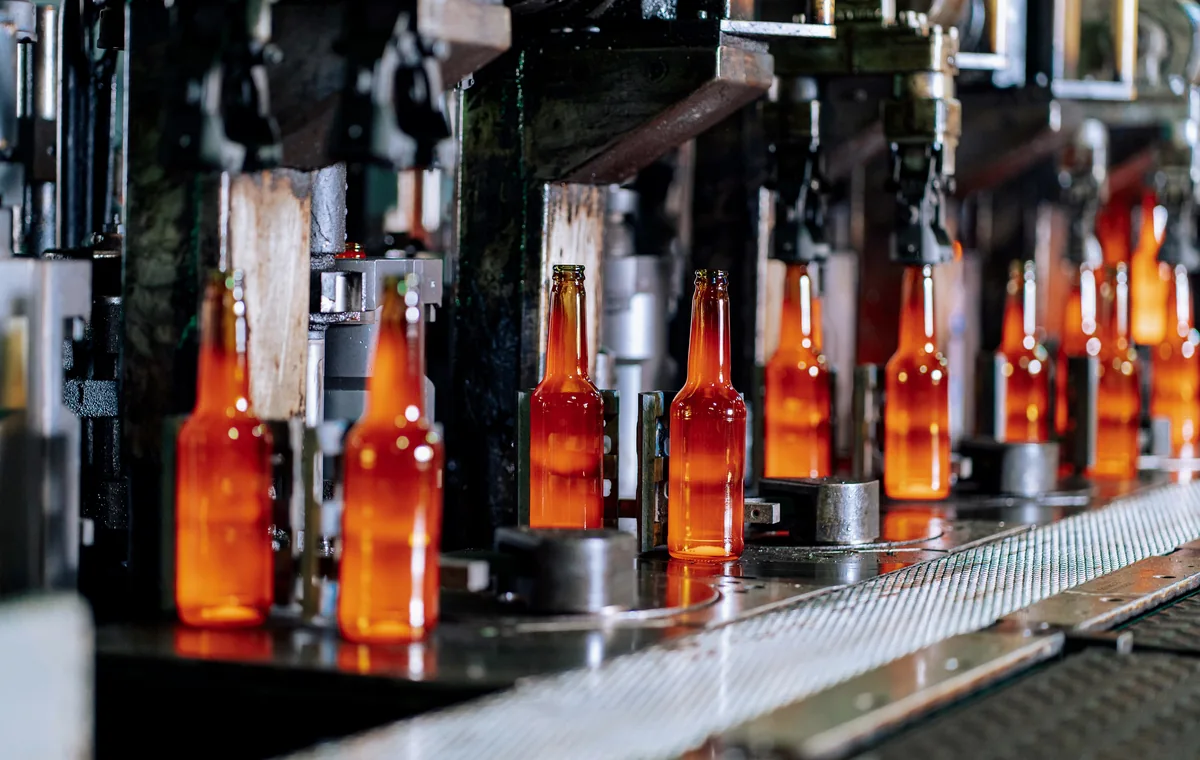
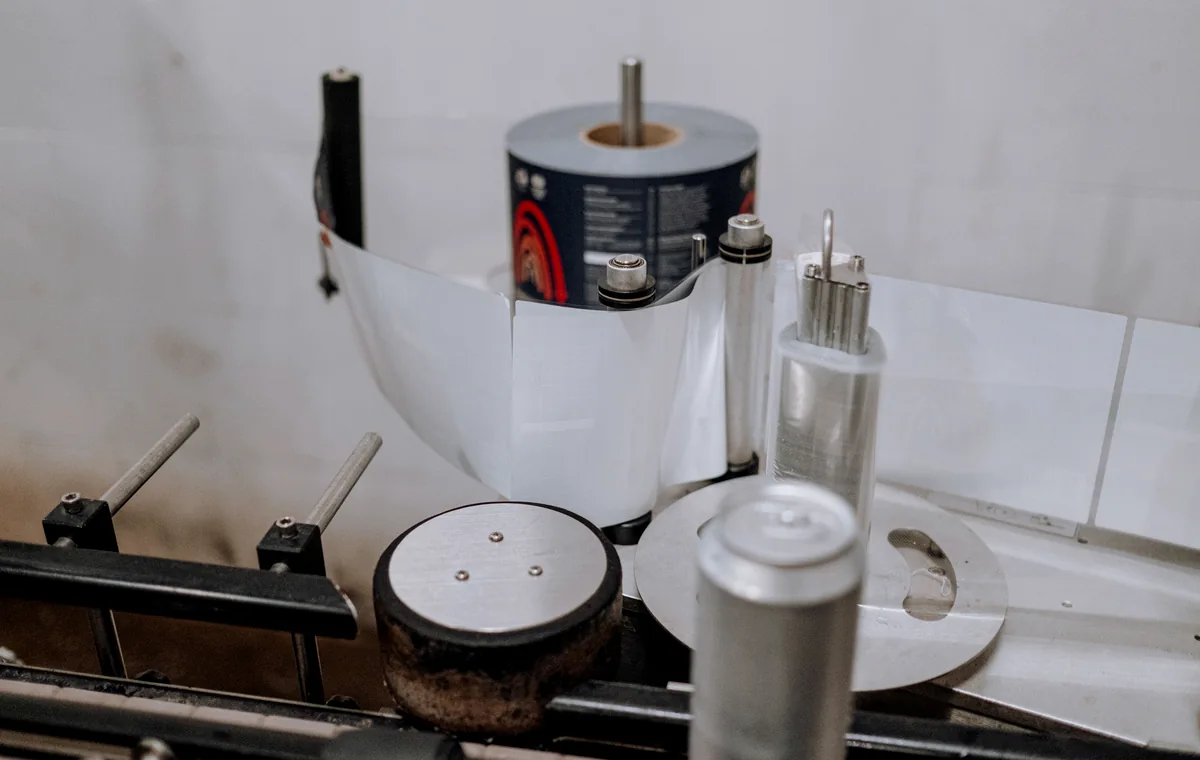
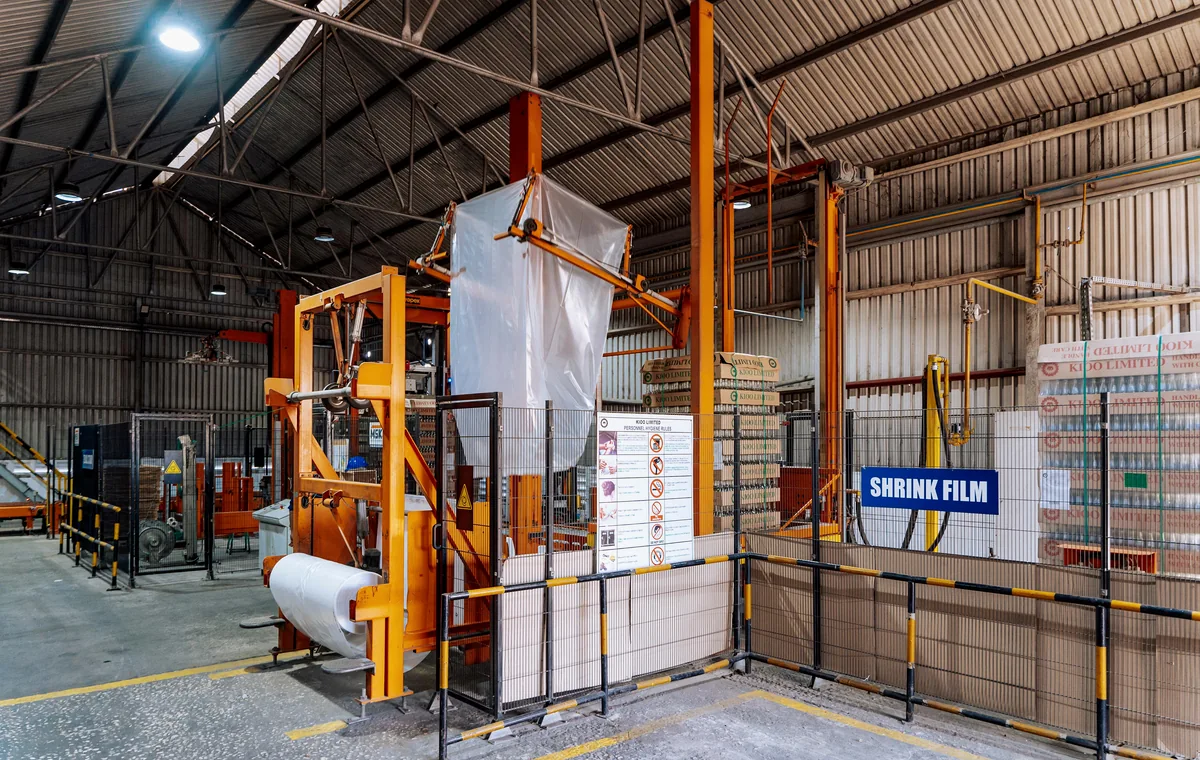
Atex filling systems can be suitable when the product, packaging, required good output and site conditions match the technology. Filling equipment projects for potentially explosive atmospheres, where the site zone, product and complete installation must be assessed. For food manufacturing, the important variables include sauces, prepared foods, oils, powders and products containing pieces. Final suitability should be confirmed with representative samples and a written acceptance test.
Inaccurate or inconsistent fillingFood manufacturing
Atex filling systems can be suitable when the product, packaging, required good output and site conditions match the technology. Filling equipment projects for potentially explosive atmospheres, where the site zone, product and complete installation must be assessed. For beverage and soft drinks, the important variables include still drinks, juices, syrups, concentrates and carbonated beverages. Final suitability should be confirmed with representative samples and a written acceptance test.
Slow production or insufficient outputBeverage and soft drinks
Atex filling systems can be suitable when the product, packaging, required good output and site conditions match the technology. Filling equipment projects for potentially explosive atmospheres, where the site zone, product and complete installation must be assessed. For breweries, the important variables include beer, low-alcohol drinks, cans, bottles, kegs and multipacks. Final suitability should be confirmed with representative samples and a written acceptance test.
Foam, drips, dust and product messBreweries
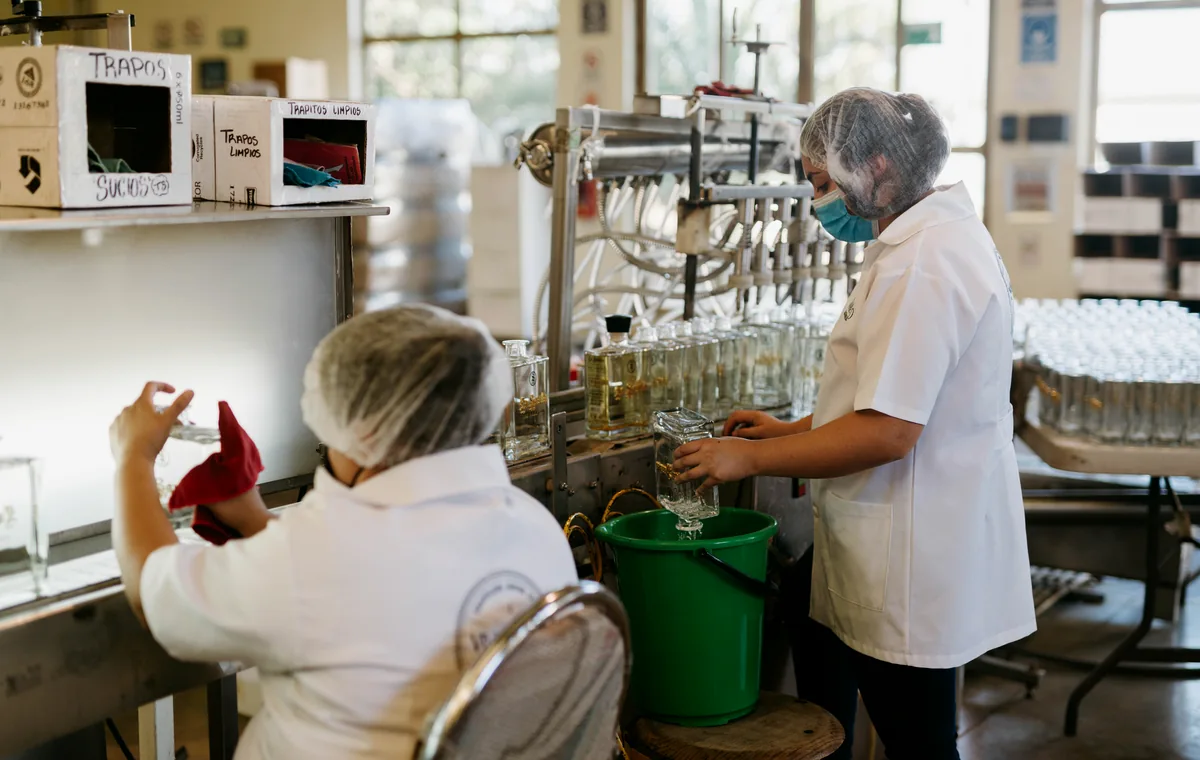
Atex filling systems can be suitable when the product, packaging, required good output and site conditions match the technology. Filling equipment projects for potentially explosive atmospheres, where the site zone, product and complete installation must be assessed. For distilleries and spirits, the important variables include spirits, liqueurs, premium bottles, corks, ropp caps and gift packs. Final suitability should be confirmed with representative samples and a written acceptance test.
Choosing the correct machineDistilleries and spirits
Atex filling systems can be suitable when the product, packaging, required good output and site conditions match the technology. Filling equipment projects for potentially explosive atmospheres, where the site zone, product and complete installation must be assessed. For wine and cider, the important variables include still and sparkling products in bottles, cans and bag-in-box formats. Final suitability should be confirmed with representative samples and a written acceptance test.
Changeover and multi-format difficultiesWine and cider
Atex filling systems can be suitable when the product, packaging, required good output and site conditions match the technology. Filling equipment projects for potentially explosive atmospheres, where the site zone, product and complete installation must be assessed. For dairy and chilled products, the important variables include milk, cream, yoghurt, chilled sauces and dairy powders. Final suitability should be confirmed with representative samples and a written acceptance test.
Cleaning, maintenance and breakdownsDairy and chilled products
Atex filling systems can be suitable when the product, packaging, required good output and site conditions match the technology. Filling equipment projects for potentially explosive atmospheres, where the site zone, product and complete installation must be assessed. For sauces, condiments, jams and honey, the important variables include viscous, sticky, hot-fill and particulate food products. Final suitability should be confirmed with representative samples and a written acceptance test.
Inaccurate or inconsistent fillingSauces, condiments, jams and honey
Atex filling systems can be suitable when the product, packaging, required good output and site conditions match the technology. Filling equipment projects for potentially explosive atmospheres, where the site zone, product and complete installation must be assessed. For bakery, flour and dry ingredients, the important variables include flour, sugar, starch, mixes and dusty dry ingredients. Final suitability should be confirmed with representative samples and a written acceptance test.
Slow production or insufficient outputBakery, flour and dry ingredients
Atex filling systems can be suitable when the product, packaging, required good output and site conditions match the technology. Filling equipment projects for potentially explosive atmospheres, where the site zone, product and complete installation must be assessed. For spices, herbs, seasonings and dry mixes, the important variables include small-dose, dusty and aromatic powder blends. Final suitability should be confirmed with representative samples and a written acceptance test.
Foam, drips, dust and product messSpices, herbs, seasonings and dry mixes